NEWSLETTER
Subscribe to our newsletter and receive inspirational travel news 4-6 per year.
WILD TIMES IS AFFILIATED WITH






© Copyright – Wild Times Safaris | Webdesign LOL Media Design


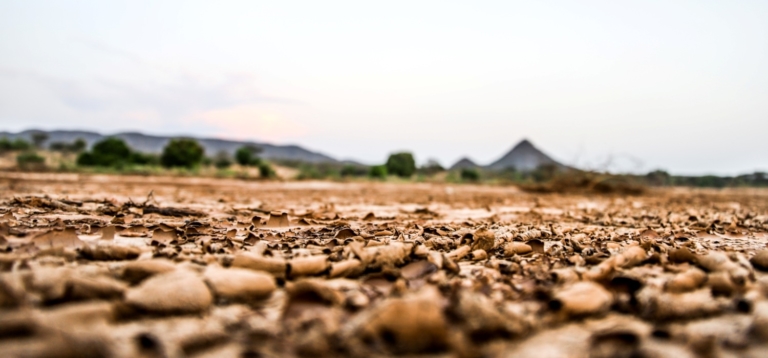 | Danakil Depression Situated in the Northern part of the Afar triangle (or Afar depression), the Danakil depression is one of the lowest geological hightlights on earth, as it is situated 100 meters below sealevel. This is the hottest place on earth. The Awash river dries up and forms some salt lakes. Futhermore there are the Dallol hotsprings to be found here. A lot of research has been done as to how life can have developed, and archeologists have been looking for fossils of humanoids here. |
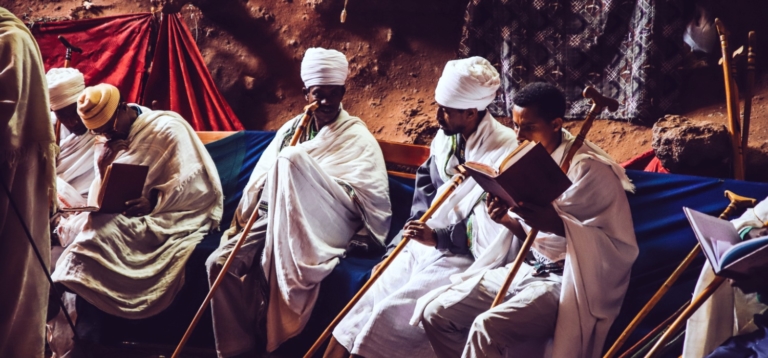 | Axum Axum is the other ‘must-see’ on the historical route. The city is the former capital of the Axumite-empire, once a great trading power in North Africa that reached up to Eritrea, Sudan, Egypt, Jemen and Saudi Arabia. The ruins of this great empire are still visible. High obelisks, ruined churches and other buildings. One assumes that this was once of the seat of the queen of Sheba. |
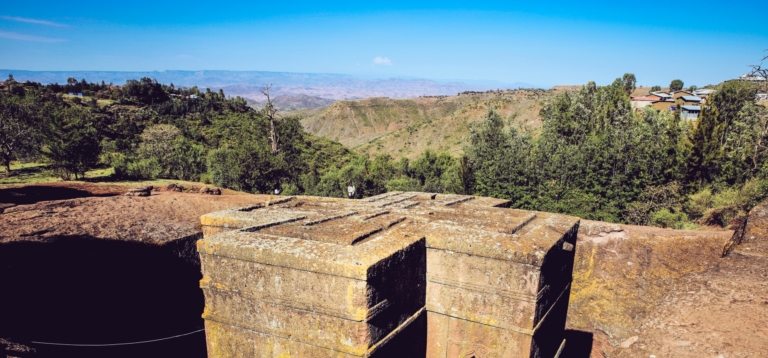 | Lalibela This city in the North of Ethiopia is a ‘must-see’on every single route and an important highlight of Ethiopia.
It is known for its monolitical, rock hewn churches dating from the 12th century. The layout of the city is considered to be a display of Jerusalem and is one of the holiest cities of Ethiopia and a place of pilgrimage to the local population. |
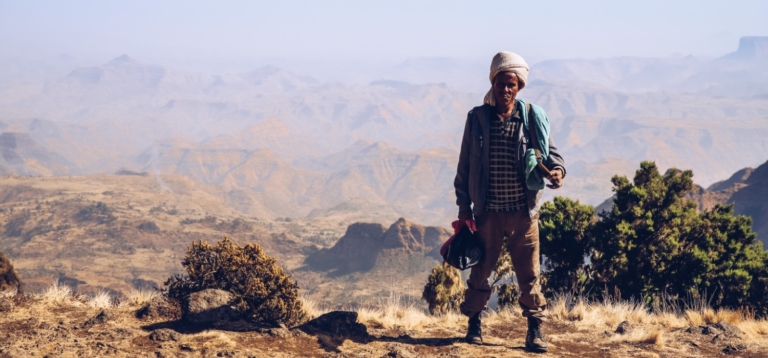 | Simien Mountains This mountain range is known as the rooftop of Africa and is one of the biggest in the whole of Africa, it was proclaimed a UNESCO heritage site in 1979. The dramatic mountainous area is the habitat of many endemic animals, such as the Gelada baboon, the Walia Steenbok, and Etiopian fox. There are more than a dozen peaks of more than 3600 meters and hikers can do a day’s trek in the Sanqaber along the steep and high peaks or do a multiple day trek of the Simiens to the Bwahit peak. |
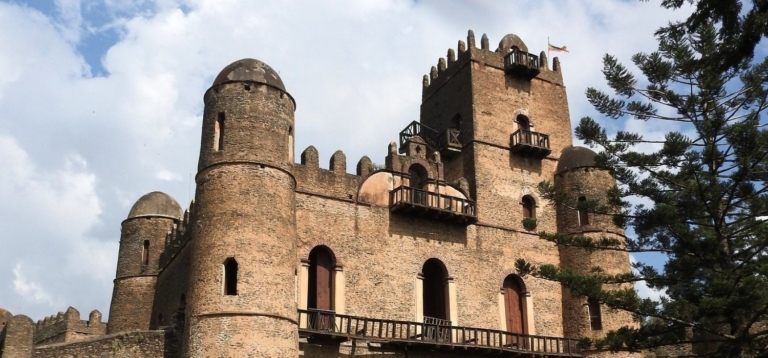 | Gondar Gondar is a historical town and was once the royal captial of Ethiopia. One can find many ruins of castles and churches here. The picturesque ruins of Fassil Ghebbi (the royal enclosure) were once palaces of emperors and castles of Fasilides. Gondor is also starting point of most treks into the Simien Mountains. |
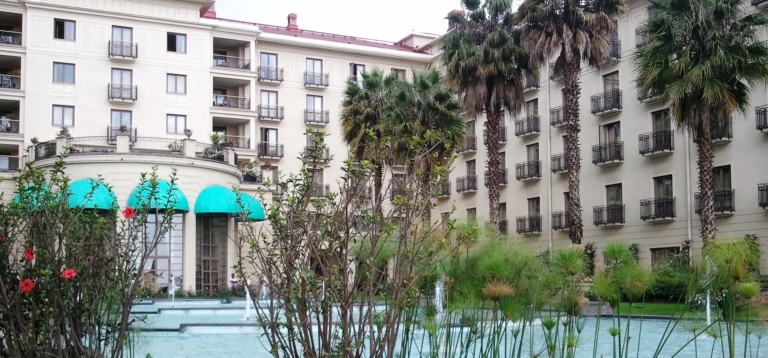 | Addis Ababa Addis is the capital and houses almost four million inhabitants. It holds the status of city as well as that of state and is the seat of the African Union.
It is often called the political capital of Africa and is a vibrant city with both traditional as hip restaurants and bars, live music, bazaars, and lots of events. During the day you can visit interesting museums. |
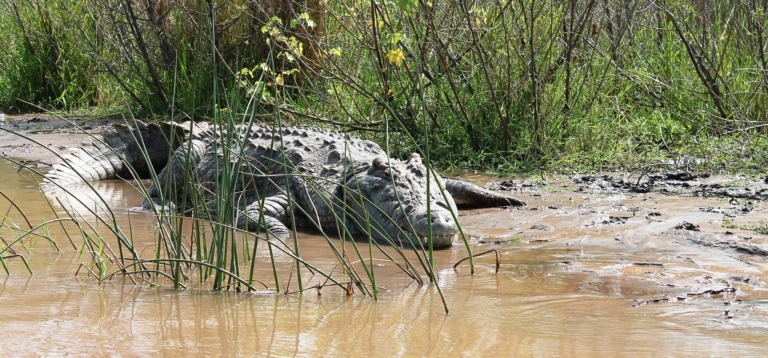 | Arba Minch Situated on the West side of the Great Rift Valley, Arba Minch is the gateway to Nechisar National Park and the Omo-valley. The area is known for its fishing nursaries and diversity in fruits. Visitors can pass time in a local village or go to the Chamo-lake. Be careful though, as the lake is full of crocodiles! |
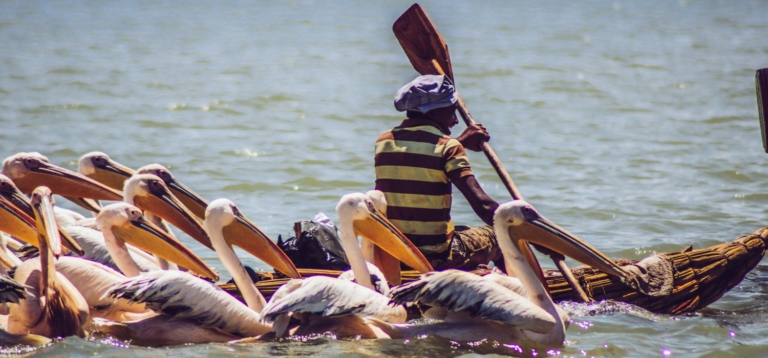 | Bahir Dar Situated at the southern tip of Tana Lake, the source of the Blue Nile, Bahar Dir is a much used stop on most of the historic routes. It is a beautiful African city with colorful markets and restaurants with a hospitable atmosphere. From Bahar Dir you can visit the scenic Blue Nile Falls in the countryside or you can visit the old churches and monasteries on the islands in Lake Tana. |
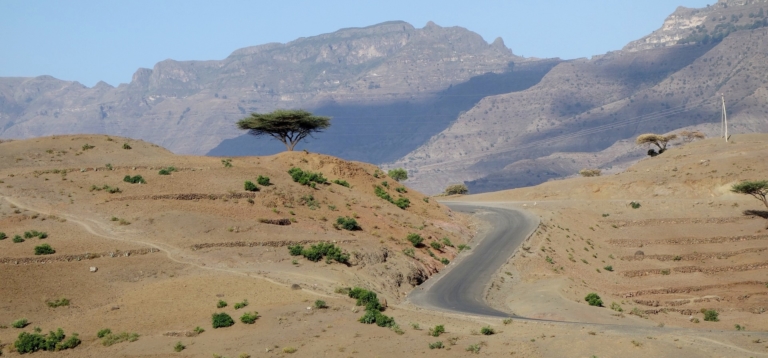 | Bale Mountains Also knows as the Urgoma mountains, the Bale mountains are part of the Ethiopian highlands Northeast of Addis. The Bale mountains National Park houses one of the highest percentages of endemic animals in the world. It is a stunningly wild mountainous area with an enormous diversity of mammals and birds. There are Ethiopian wolves for instance, as are Nyala, Bushbucks, lions, leopards and a variety of bucks. We strongly recommend to put these mountains into your itinerary. |
| Danakil Depression Situated in the Northern part of the Afar triangle (or Afar depression), the Danakil depression is one of the lowest geological hightlights on earth, as it is situated 100 meters below sealevel. This is the hottest place on earth. The Awash river dries up and forms some salt lakes. Futhermore there are the Dallol hotsprings to be found here. A lot of research has been done as to how life can have developed, and archeologists have been looking for fossils of humanoids here. |
| Axum Axum is the other ‘must-see’ on the historical route. The city is the former capital of the Axumite-empire, once a great trading power in North Africa that reached up to Eritrea, Sudan, Egypt, Jemen and Saudi Arabia. The ruins of this great empire are still visible. High obelisks, ruined churches and other buildings. One assumes that this was once of the seat of the queen of Sheba. |
| Lalibela This city in the North of Ethiopia is a ‘must-see’on every single route and an important highlight of Ethiopia.
It is known for its monolitical, rock hewn churches dating from the 12th century. The layout of the city is considered to be a display of Jerusalem and is one of the holiest cities of Ethiopia and a place of pilgrimage to the local population. |
| Simien Mountains This mountain range is known as the rooftop of Africa and is one of the biggest in the whole of Africa, it was proclaimed a UNESCO heritage site in 1979. The dramatic mountainous area is the habitat of many endemic animals, such as the Gelada baboon, the Walia Steenbok, and Etiopian fox. There are more than a dozen peaks of more than 3600 meters and hikers can do a day’s trek in the Sanqaber along the steep and high peaks or do a multiple day trek of the Simiens to the Bwahit peak. |
| Gondar Gondar is a historical town and was once the royal captial of Ethiopia. One can find many ruins of castles and churches here. The picturesque ruins of Fassil Ghebbi (the royal enclosure) were once palaces of emperors and castles of Fasilides. Gondor is also starting point of most treks into the Simien Mountains. |
| Addis Ababa Addis is the capital and houses almost four million inhabitants. It holds the status of city as well as that of state and is the seat of the African Union.
It is often called the political capital of Africa and is a vibrant city with both traditional as hip restaurants and bars, live music, bazaars, and lots of events. During the day you can visit interesting museums. |
| Arba Minch Situated on the West side of the Great Rift Valley, Arba Minch is the gateway to Nechisar National Park and the Omo-valley. The area is known for its fishing nursaries and diversity in fruits. Visitors can pass time in a local village or go to the Chamo-lake. Be careful though, as the lake is full of crocodiles! |
| Bahir Dar Situated at the southern tip of Tana Lake, the source of the Blue Nile, Bahar Dir is a much used stop on most of the historic routes. It is a beautiful African city with colorful markets and restaurants with a hospitable atmosphere. From Bahar Dir you can visit the scenic Blue Nile Falls in the countryside or you can visit the old churches and monasteries on the islands in Lake Tana. |
| Bale Mountains Also knows as the Urgoma mountains, the Bale mountains are part of the Ethiopian highlands Northeast of Addis. The Bale mountains National Park houses one of the highest percentages of endemic animals in the world. It is a stunningly wild mountainous area with an enormous diversity of mammals and birds. There are Ethiopian wolves for instance, as are Nyala, Bushbucks, lions, leopards and a variety of bucks. We strongly recommend to put these mountains into your itinerary. |
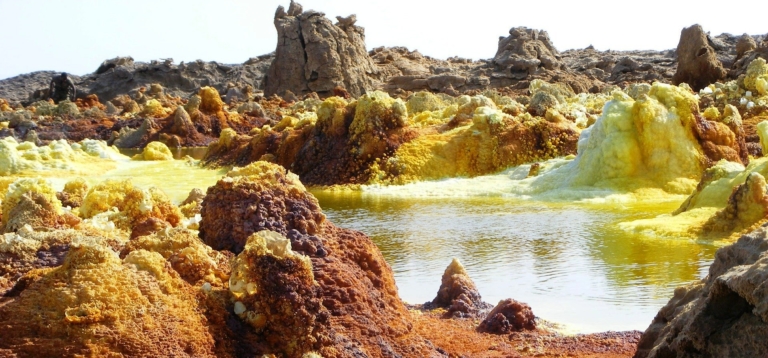 | Situated in the Danakil Depression, is the Erta Ale-vulcano. This 2011 meter high, constantly active basalt shield vulcano, is also called “Smoking Mountain” by the Afar or “the gateway to hell”. It is one of the few active vulcanoes in the world and one of five with lakes filled with lava, and Erta Ales even has two lakes, which makes it a unique sight! |
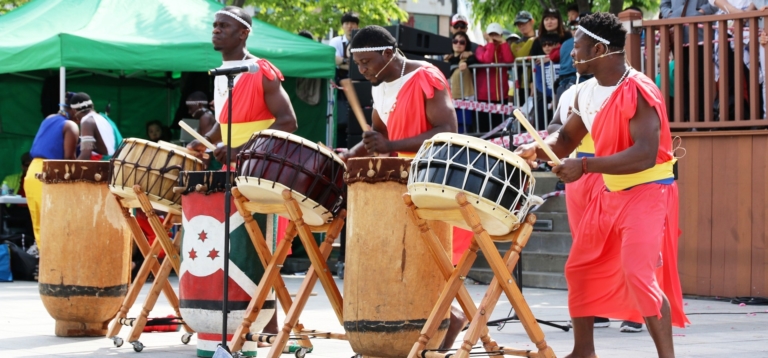 | And finally, emerge yourself in the Ethiopian culture and visit a traditional restaurant, bar or club and dance along the semi-terrible, semi-genial Ethiopian music! When in Axum and Bahar Dar, just ask about a traditional bar and emerge yourself in this beautiful ritual. |
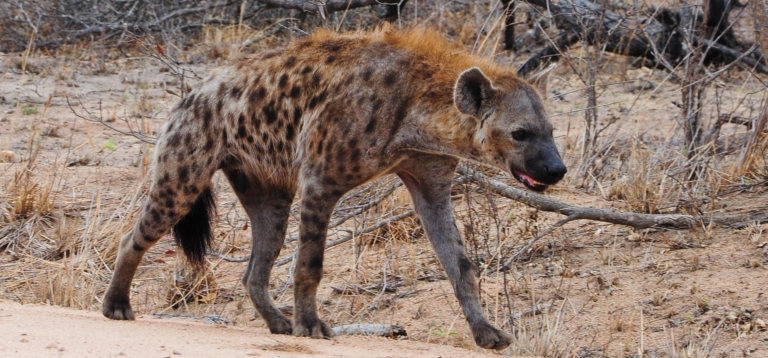 | This is one of the most exceptional things you can do while in Ethiopia. In Harar, in the Eastern part, you can feed wild hyenas. We are not talking throwing a piece of meat to a hyena… No we are talking feeding them with a piece of meat that is dangling from a stick, between your teeth!! |
| Learn about this old almost forgotten civilization. Ethiopia was once one of the great world powers on earth. Comparable to the Roman, Greek and Persion civilizations. Their power reached as far as the Red Sea, Europe and Sub-Saharan Africa. Even coins and written language was used in this empire! |
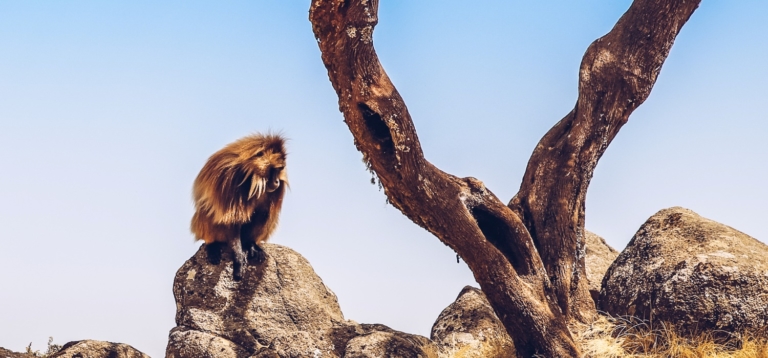 | Absolutely unique in Ethiopia is spotting the endemic Gelada baboons. Also known as bleeding heart monkeys, due to the extraordinary bloodred colour on their chest, this species is endemic to Ethopia. In fact, endemic to the Simien mountains only! This park is on the UNESCO list and not only offers amazing hiking options with stunning views, but seeing the huge groups of Gelada baboons is a unique experience. |
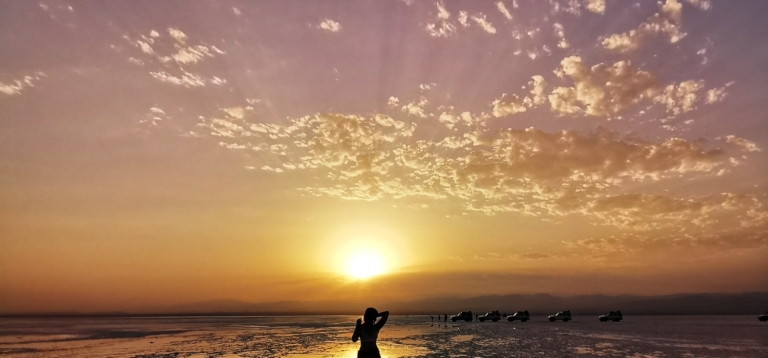 | When in Danakil, it is very worthwhile to wait for sunset! At Lake Asala you can see camels with salt rocks, making their way alongside the christal salt lake. At the end of the day the sky turns red as fire and you are witness to a unique and utterly special sunset! |
| It is not just natural wonders in Ethiopia. This country has several unique cultural sights and one of those is the Royal Enclosure in Gondar. Known as the Camelot of Africa Gondar houses many Middle Age castles that can be found in the center of the city and they look absolutely amazing. You can wander around the ruines and imagine being back in the days where horses roamed the inner city, where wine was drunk from wine chalices, music plaid from balconies and from enormous banquet halls.
|
 | Right, the Blue Nile is only half of the Nile (the other half, the White Nile, starts in Jinja, Uganda), but still…. a visit to the source of the most famous river in the world, is without doubt one of the best things you can do while you are in Ethiopia. From Bahar Dar, it is easy to get to the waterfalls that mark the source of the Blue Nile. You can that a walk there, or rent a little boat to see the falls up close. |
 | At the top of the Yemata mountain range, there is a small cave chapel, on a rocky cliff. When you don’t have fear of heights, the steep climb up this religious outpots is an absolute highlight of Ethiopia! The chapel is strewn with paintings and the whole forms a spectecular and mesmerizing spectacle. The Tigray church is without a doubt one of the most secluded churches in the world and no doubt the steep climb is part, if not, half of the experience, but the view on top is absolutely enchanting. |

Subscribe to our newsletter and receive inspirational travel news 4-6 per year.
© Copyright – Wild Times Safaris | Webdesign LOL Media Design